
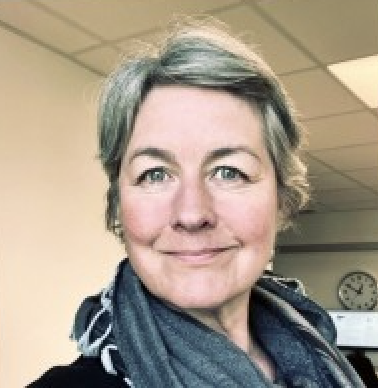
Webinar with Berit Lyngstad, Volda municipality, and Amin Fard, Preppio. Duration 31 minutes.
Volda municipality has around 11,000 inhabitants and approximately 1,100 employees spread over approximately 890 full-time equivalents. Most work in daycare, school, health and care. Few sit in an office. This makes sick leave follow-up difficult.
Berit Lyngstad works with personnel matters in the municipality and has been responsible for introducing Preppio. We had a chat with her about the experiences after they put the solution into use on 1 February 2026.
The problem: blind follow-up
Berit has worked with sick leave for over 20 years. From NAV, as an adviser and as a manager with personnel responsibility. The routines in Volda were good. The system support was not.
The HR system lacked a solution for sick leave follow-up. NAV's solution only goes to the immediate manager. The result was that the personnel department lost control.
Sick leave was around 10 per cent in 2025. It costs the municipality NOK 35 to 40 million a year. With many managers and a decentralized model, it was also difficult to ensure that everyone was followed up equally.
From skepticism to yes
Berit was skeptical at first.
Volda started with a pilot. The kindergartens, parts of the home service, the service for substance abuse and mental health, the inter-municipal child protection and eventually a school. They translated the content into Nynorsk and otherwise ran the solution as it was.
The feedback came quickly. At a management meeting shortly after commencement:
The results
After the pilot, the municipality carried out an evaluation among managers and employees. The answers were clear.
- Over 50 per cent of the employees said that the information made it easier to understand rights and duties, and that the digital follow-up provided a closer and better dialogue with the manager.
- 74 per cent of the managers thought it became easier to understand what they were supposed to do. Many highlighted better dialogue and better control, and many felt safer in follow-up matters.
- A clear majority believed that sickness absence will decrease over time.
An important change was how responsibility was distributed. When the messages come from HR and not from the immediate manager, the sick person is made responsible in a new way. And the leaders dare more.
Several managers also experienced that employees were back at work sooner than expected.
Easy to use
Ease of use was one of the concerns before starting. The managers have different digital skills. That fear turned out to be unfounded.
Berit also points out that the follow-up takes place by itself:
She says that it is easy to adjust text and build your own follow-up journey, without technical expertise. The academic content also meets the objectives:


 Microsoft Teams