
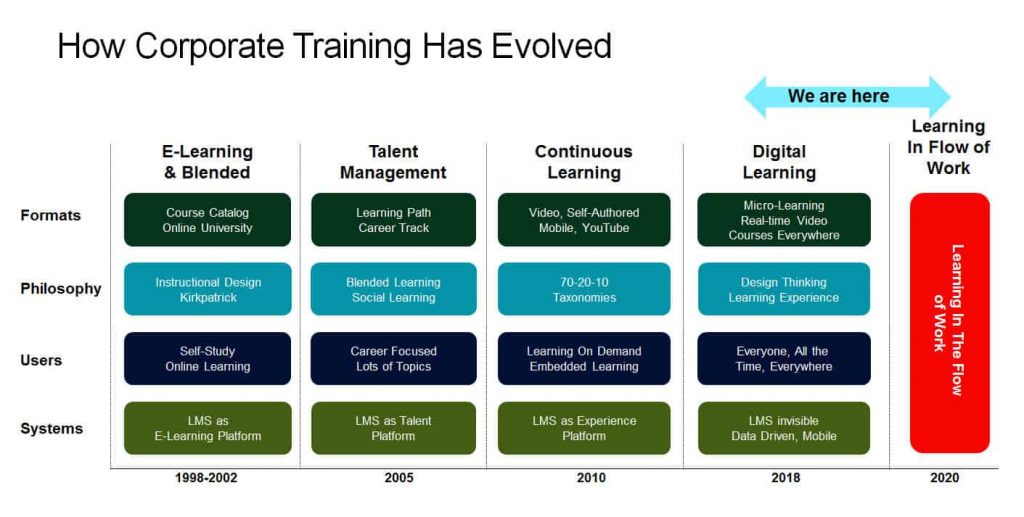
Employee training is at a crossroads. Organizations know that investing in employee development is essential for retention, engagement, and performance. But there is a fundamental problem: employees want training but have no time for it. The solution lies in micro-learning, a modern approach to training that delivers content in small, focused bursts that fit into the flow of work.
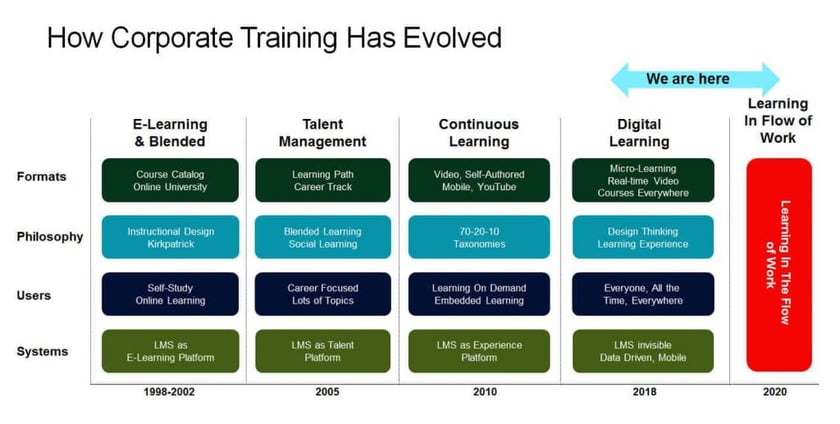
Your Employees Want Training But Have No Time For It
Research from Deloitte indicates that younger workers feel their formal education left them with skill gaps and expect employers to fill those gaps through training. The real challenge is time constraints. According to recent research, workers have approximately 1 percent of their work week available for learning -- roughly 30 minutes weekly for someone working a standard 35-hour week. Training exceeding this duration forces employees to either neglect work responsibilities or complete learning on personal time, both unreasonable expectations.
What is Micro-Learning?
Micro-learning involves delivering small, focused learning segments rather than requiring access to full courses through a company LMS. These brief lessons -- typically under 10 minutes -- are designed so learners can accomplish a specific task immediately afterward. Delivery methods vary: LMS platforms, videos, or chatbots. This approach aligns with how humans naturally learn. While learners may retain lecture information long enough to pass immediate quizzes, the brain isn't designed for permanent retention of lengthy presentations. Micro-learning enhances retention by teaching one relevant piece of information at a time. Importantly, micro-learning differs from simply cutting existing courses into smaller segments. Effective micro-learning is intentionally designed to teach specific task performance while connecting to broader organizational learning strategies.
Micro-Learning in the Workplace
Mobile delivery makes micro-learning particularly effective for employees without desk-based positions. Retail has proven especially receptive to this approach -- pulling workers from floors for traditional training is impractical. Home decor retailer At Home employed gamified micro-learning in 3-5 minute segments to improve safety knowledge. Sports retailer Gresvik AS utilized mobile micro-learning for teaching upcoming sales campaigns. This approach is gaining momentum. According to the Association for Talent Development, 92 percent of organizations using micro-learning plan to increase their use of it while more than 67 percent of organizations not using it plan to start. Because learning connects to tasks completed during or shortly after training, micro-learning effectively delivers time-sensitive information: new regulations, policy updates, and compliance requirements.
Lyse AS: Micro-Learning in Practice
Lyse AS, a Norway-based power company, provides a relevant example. Its customer service division, Lyse Dialog, processes over one million customer interactions annually, leaving no time for traditional periodic training. Information distributed through email or Workplace by Facebook gets lost among other messages. The company implemented Prepp's chatbot Anna to cut through message noise and deliver information. More employees read Anna's messages than standard Workplace posts because the chatbot engages learners by requesting responses, and supervisors can track non-responses and follow up accordingly.
Chatbots Meet People Where They Are
Multiple platforms can deliver micro-learning: videos, LMS courses, or mobile apps. However, each introduces friction -- additional steps for time-constrained employees. When workers have roughly 30 minutes weekly for training, they shouldn't waste it downloading apps or managing multiple logins. Switching between platforms costs time and attention. Research on interruptions shows workers need approximately 23 minutes to refocus after being pulled off-task. Work-related interruptions -- like brief, relevant micro-learning -- actually boost productivity by keeping employees' minds engaged with their work. Chatbots provide exceptional value by meeting employees where they already work. Whether through Workplace by Facebook or text messages, chatbots deliver micro-learning without requiring separate system logins. Learners receive content quickly, complete it during work, and immediately apply it to their roles. This approach eliminates several problems: employees complete training during work time, productivity doesn't suffer from staff absences, and management maintains records of completion.
Deliver Micro-Learning That Actually Reaches Your Employees
Preppio makes it easy to deliver bite-sized training content through the channels your employees already use. Boost engagement, retention, and performance with automated micro-learning workflows.







 Microsoft Teams